
Ancient times
Gratitude in action
Offerings left at sacred places said: I received something.
→
✦ Little Mysteries ✦
Two little words we say every day are carrying something very old.
You probably said it today. To the person who held the door. The cashier who handed you your receipt. Someone who brought you coffee. A child who finally put their shoes on after being asked seventeen times.
“Thank you.” Two words. We say them so automatically that sometimes they barely seem to mean anything at all.
But hidden inside those two ordinary words is an idea humans have been carrying for a very long time.
Offerings left at sacred places said: I received something.
→
The familiar English formula grows out of I thank you.
→
People were shortening gratitude long before texting.
→The English words thank and think are relatives. Old English þanc could mean thought or reflection, but also goodwill and grateful thought.
I have thought about what you did. I remember it.
Our most ordinary expression of gratitude began, linguistically, very close to memory.
Source →For much of history, gratitude was not merely something you said. It was something you did. At ancient sanctuaries people left figurines, vessels, food, wine and other votive offerings.
I received something. Now I am answering.
Gratitude has always wanted to become visible.
Source →
Anthropologists have long studied gift exchange because gifts rarely move between people without changing the relationship. Sometimes a gift creates obligation. Sometimes it creates connection.
One sounds like a debt. The other sounds like a relationship.
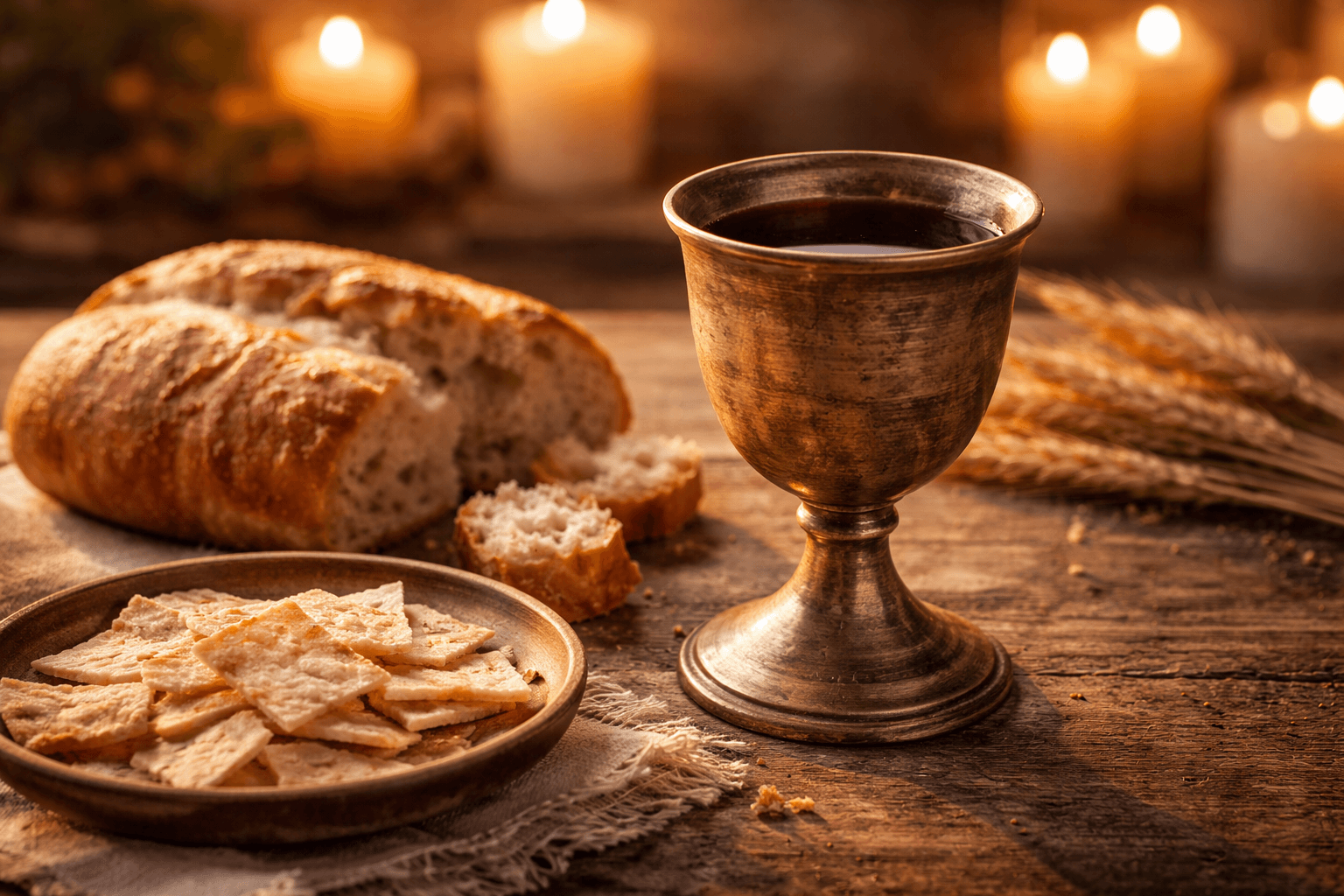
Across religious traditions, gratitude became woven into meals, seasons, survival and renewal. In Jewish tradition, the Shehechiyanu blessing expresses gratitude for being alive to reach a meaningful moment.
Thank you that I am here to experience this at all.
Christian tradition carries the same theme in another form: Eucharist comes from a Greek word for thanksgiving.
Source →The familiar English formula “thank you” appears around the year 1400, shortened from “I thank you.” By the 1500s, “thanks” was also being used as an everyday acknowledgment.
Two words became a tiny ritual.
The spelling “thanx” appeared in print in the late nineteenth century. So no: texting did not destroy the English language.
Your great-great-grandparents were apparently already working on it.
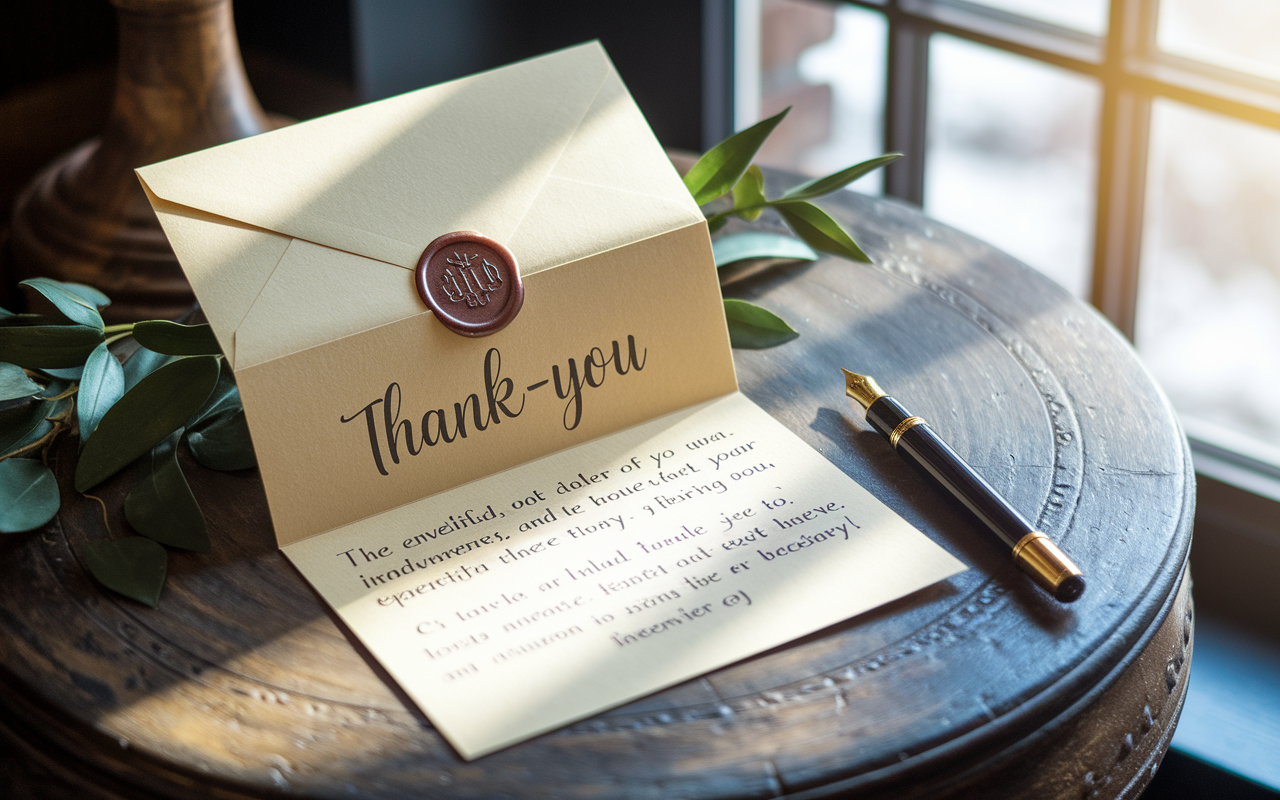
Writing meant gratitude no longer disappeared when the conversation ended. You could save it. Fold it. Tuck it into a drawer. Find it twenty years later.
First perhaps an offering. Then a prayer. Then spoken words. Then a letter. Then a card. Then an email. Then a text.
Different technology. Same message: I noticed. It mattered. I wanted you to know.
The form has changed many times, but the message has stayed remarkably recognizable.
WHY DOES BEING THANKED FEEL SO GOOD?
One influential idea in gratitude research is called the find-remind-and-bind theory: gratitude may help us identify good relationship partners, remind us of the value of relationships we already have, and strengthen those relationships over time.
Research has found that receiving sincere gratitude can make people more interested in continuing a new relationship. Expressed gratitude has also been described as part of the psychological and behavioral glue that can bind couples together.

SO WHERE DOES THANKSGIVING COME IN?
Americans did not invent gratitude. The Pilgrims did not invent gratitude. Thanksgiving did not invent gratitude.
After the Constitution was adopted, George Washington proclaimed November 26, 1789, as a day of public thanksgiving under the new federal government.
But Thanksgiving did not immediately become the annual national holiday we know today.

A NATIONAL THANKSGIVING
Abraham Lincoln’s national Thanksgiving proclamation came during the Civil War. Not after it. During it.
The country was bleeding. Families were divided. Soldiers were dying. Writer and editor Sarah Josepha Hale had spent years advocating for a unified national Thanksgiving observance.
In 1863, Lincoln proclaimed the last Thursday of November as a national day of thanksgiving and called for healing of the nation’s wounds and restoration of peace and unity.
Sometimes we give thanks while the story is still unfinished.
“Be grateful” can sound like: stop complaining, other people have it worse, look on the bright side, don’t feel sad.
But that is not what the history shows. Humans have expressed gratitude after surviving danger, during uncertainty, after illness, after loss and during war.
Gratitude and grief have never needed separate rooms.
You can miss somebody and still be thankful they existed. You can be frightened and still notice the person holding your hand. You can hate what happened and still love what survived.
What is really going on behind “thank you”? Tap a theory to see what it might explain — and what it might not.

Gratitude may be a way to remember what someone did for us — and to let them know we remember.
“Thank you” may not be just politeness. It may be one of the ways humans remember each other, recognize what we’ve received, and say, “It mattered.”

Could there be a deeper reason we feel the need to say thanks?
Maybe the secret history of thank you isn’t really a history of politeness.
Because gratitude is one of the ways we remember each other.
← Back to Little Mysteries